

By Jo Medico
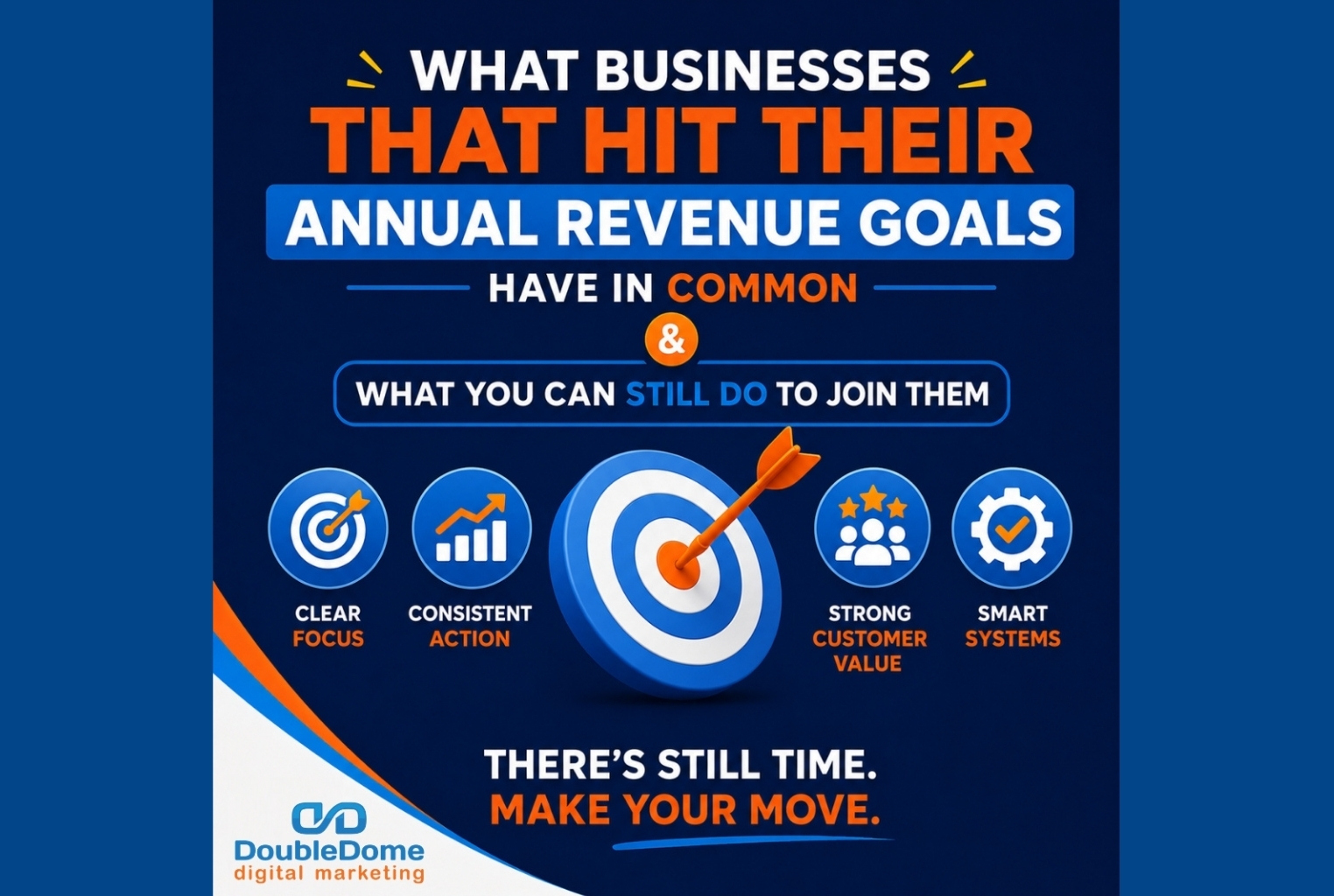
Businesses that consistently hit annual revenue goals do not cut marketing spend during slow quarters; instead, they aggressively consolidate resources behind their highest-performing channels. By deploying an aggressive mid-year pivot, these companies prioritize high-quality customer pipelines over raw traffic volume, enabling them to compress sales cycles and unlock predictable revenue gains before year-end.
When a business reaches the mid-year mark behind its projected growth curve, an all-too-familiar corporate script begins to play out. Executive leadership glances anxiously at the First Half (H1) performance data, internal teams start bracing for budget cuts, and a collective sense of panic suggests the annual targets are entirely out of reach. In moments like these, marketing investments are often the first to be questioned or scaled back to protect short-term overhead.
However, treating a slow start as a signal to withdraw is a dangerous structural trap. In the current digital landscape, where conversational models handle user intent natively and traditional tracking scripts are blocked by strict privacy laws, pulling back on your presence will cause your pipeline to collapse.
If your ad spend is bleeding out on bot clicks and casual searchers who won’t ever convert, you don’t need more random traffic—you need more customers. Being behind at halftime doesn’t mean the game is over. It means the Second Half (H2) plan has to be sharper. Transitioning from a slow start to a record-breaking finish requires a decisive, data-backed H2 Recovery Strategy built around how high-performing companies actually win their markets.
SEO is more like planting an orchard than buying groceries. The payoff can be substantial, but nobody gets apples tomorrow.
The Strategic Halftime Reality Check: Analyzing the Common Traits
Organizations that reliably achieve their gross contract objectives despite an underperforming H1 do not rely on luck or sudden market shifts. They look past vanity metrics and follow a strict, systematic recovery playbook.
When a company experiences an “AI slump” due to changing search algorithms, they don’t sit through generic presentations about search engine variations. They look at revenue. The data shows that companies that cross the finish line successfully share three distinct, operational habits:
1. They Maintain Strategic Growth Spend
While competitors reactively slash their budgets to preserve cash, market leaders understand that cutting your visibility during a recovery period is the digital equivalent of turning off your storefront sign. They maintain or intelligently reallocate their demand generation spend to capture market share left behind by retreating competitors.
2. They Consolidate Capital Around Winning Channels
High-growth enterprises have zero patience for underperforming experiments. They audit their acquisition data, isolate the one or two campaigns driving genuine contract revenue, and ruthlessly pour their resources into those proven models.
3. They Value Pipeline Depth Over Pure Leads Volume
Flooding your internal sales professionals with an unvetted backlog of poor leads is an operational bottleneck. Top-tier companies actively compress their sales cycle by tightening their conversion filters—focusing exclusively on premium, high-intent corporate account profiles.
Constructing Your Programmatic H2 Recovery Strategy
Turning your annual revenue trajectory around requires replacing disjointed marketing tactics with a cohesive, automated system. Implementing a calculated H2 Recovery Strategy ensures your business stops renting temporary clicks and starts building long-term brand equity.
The Mid-Year Reallocation Framework
Compressing the Sales Cycle to Drive Immediate Growth
When you are working against a ticking calendar to hit a year-end target, you cannot afford to waste months nurturing cold prospects who are merely browsing. Your immediate priority must be capturing active, high-intent demand.
To achieve this standard, your digital presence must satisfy both human buyers and machine-learning recommendation models simultaneously. Ensure your primary service landing pages feature deep information gain—verifiable data tables, localized customer outcomes, and precise category vocabulary that demonstrates absolute expertise.
Furthermore, ensure your conversion environment is entirely frictionless. If your marketing channels route high-value executives to complex, multi-field questionnaires, you are bleeding opportunities. Replacing high-friction forms with call-first architectures or simplified single-field intake funnels instantly catches the prospects who are ready to make a buying decision right now.
Many websites collect leads the way a bucket collects water after someone forgot to put the bottom in.
Outsourcing Technical Friction to Secure Predictable Scale
Building and managing a resilient customer acquisition system requires serious technical precision. Between routing first-party conversion data cleanly through server-side tracking APIs, managing technical ad parameters to block bot click fraud, and wrapping your assets in advanced JSON-LD schema, the execution can quickly overwhelm your internal marketing department. Your team shouldn’t be bogged down by complex technical overhead when your actual objective is closing deals.
Attribution can sometimes feel like a marketing game of Clue. Everyone has a theory, nobody is completely sure, and somehow Google Ads is always in the room.
Securing Your Year-End Revenue Goals
The digital spaces where your prospects look for answers will continue to rapidly change, but the core fundamentals of business growth remain constant: consistency, data transparency, and deep customer alignment win markets. Committing your organization to an intentional H2 Recovery Strategy guarantees that your team stops guessing with your marketing dollars and starts executing a repeatable plan for growth. By focusing your assets on premium leads and maximizing your technical conversion efficiency, you build a scalable system that hits its targets year after year.
If you are ready to remove the guesswork from your monthly spend, stop chasing empty clicks, and review an unambiguous dashboard that connects your digital investments directly to gross revenue, let’s look at your data together. We will outline your primary optimization pathways and implement the technical changes required to secure your annual goals.
Book a Digital Playbook Strategy Session with DoubleDome today.
Frequently Asked Questions
How does an H2 Recovery Strategy stabilize a business that had a slow H1?
An H2 recovery strategy stabilizes your growth pipeline by stopping low-yield experimental ad spend and reallocating those financial resources into your highest-converting keyword segments and first-party data assets.
Will increasing my marketing focus in H2 increase my customer acquisition costs?
No, because a data-driven recovery plan utilizes strict negative keyword filtering and intent-driven conversion nodes to block bot traffic, which naturally drops your average cost-per-acquisition.
How do conversational AI engines factor into my mid-year revenue recovery?
AI search engines prioritize sites that display high topical authority and clear schema architecture, meaning that optimizing your deep informational assets over summer allows you to win top recommendations by autumn.