

By Clark Mago
A Summer Visitor Retargeting Campaign leverages warm audience pools accumulated during mid-year research windows, re-engaging them with Q4-specific messaging, case study proof, and low-friction booking options. Rather than showing generic brand ads, this specialized remarketing framework converts warm summer traffic into signed year-end contracts before active budget windows close.
Throughout July and August, prospective B2B buyers quietly evaluated your website, reviewed your service offerings, and read your case studies. While decision-makers were out of office or finalizing mid-year plans, they built a mental shortlist of potential partners.
When September arrives, those exact same visitors return to their desks with unallocated Q4 capital, active procurement mandates, and strict deadlines.
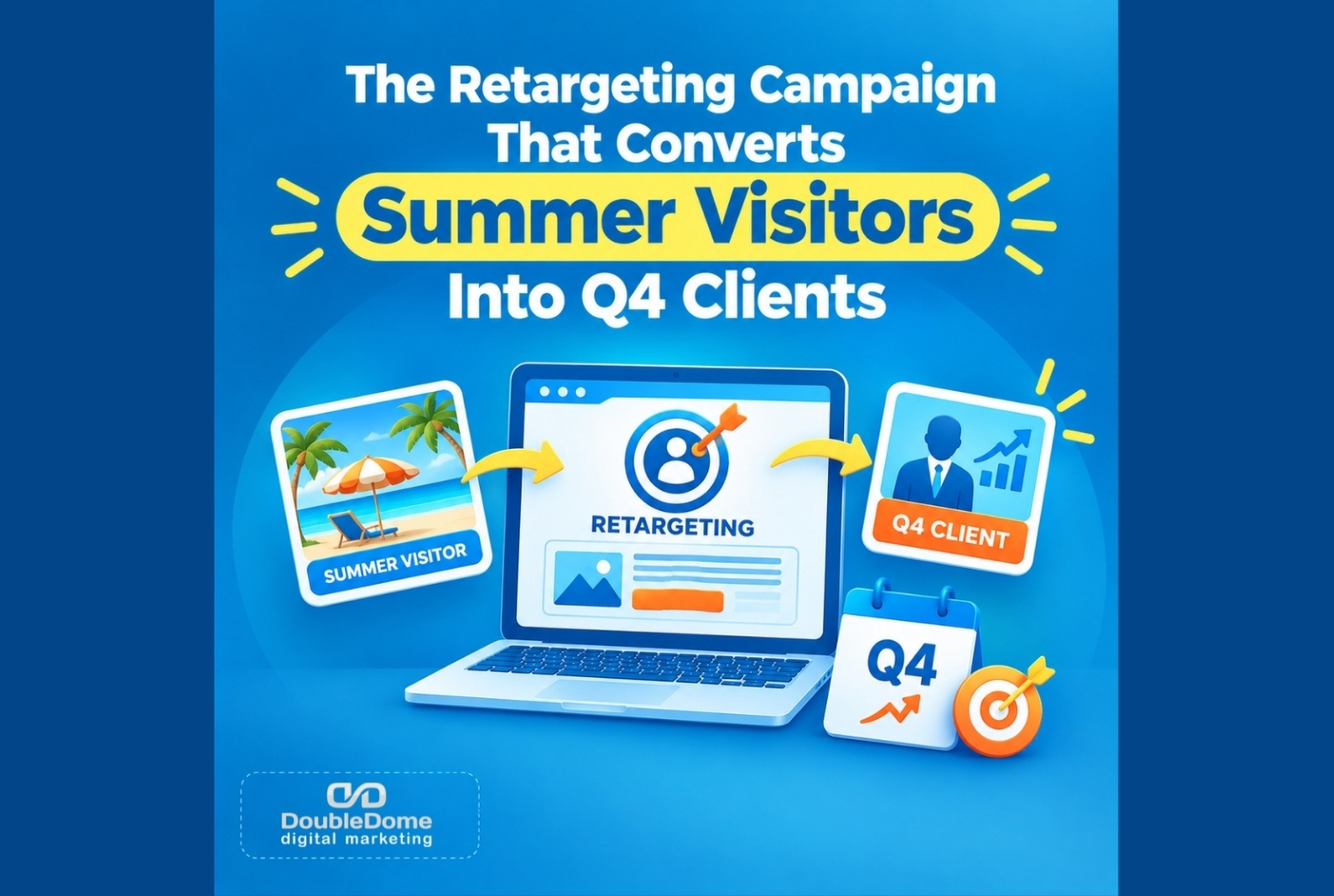
Unfortunately, most organizations treat returning summer traffic like cold, first-time site visitors. They serve generic remarketing ads featuring outdated slogans or point them toward top-of-funnel blog posts. In the business environment of 2026, traditional search click volume is shifting as conversational AI engines like ChatGPT and Google Gemini natively answer surface-level queries before a prospect ever visits a site. You don’t need more random web traffic—you need more paying customers. The visitors who researched you all summer are ready to decide in September. We build the retargeting campaign that converts them — using the context of their summer research journey. Deploying a dedicated Summer Visitor Retargeting Campaign ensures your business converts warm research traffic into closed CRM revenue with a simple reporting standard: “I spent $X, and our systems returned$Y.”
Attribution can sometimes feel like a marketing game of Clue. Everyone has a theory, nobody is completely sure, and somehow Google Ads is always in the room.
The 3 Pillars of a High-Converting Summer Visitor Retargeting Campaign
Converting prospects who evaluated your business over the summer requires acknowledging their research history while aligning with their current Q4 priorities. Structure your remarketing framework around three core components:
1. Research-Aware Copywriting
Address the prospect’s current evaluation stage directly. Move past generic statements and acknowledge their mid-year research process.
Example Ad Copy: “You evaluated B2B growth systems this summer. Here is how companies launching in October secure measurable pipeline results before December 31st.”
2. Time-Sensitive Social Proof
Serve case studies and verified client metrics specifically focused on rapid execution. Highlight real-world outcomes ($X spent vs.$Y earned in pipeline) from past clients who onboarded in the fall and achieved fast time-to-value.
3. Low-Friction Entry Pathways
Avoid asking warm prospects to re-fill out lengthy 8-field contact forms. Direct retargeting traffic to streamlined destination pages featuring a 3-field intake form (Name, Work Email, Project Goals) and direct 1-click calendar scheduling.
SEO is more like planting an orchard than buying groceries. The payoff can be substantial, but nobody gets apples tomorrow.
Campaign Blueprint: Generic Remarketing vs. Summer Visitor Retargeting
To see how specialized remarketing protects your acquisition margins compared to static retargeting setups, examine how both models handle warm fall prospects:
Retargeting Strategy Comparison
| Campaign Variable | Generic B2B Remarketing (High Friction) | Summer Visitor Retargeting Campaign |
| Messaging Focus | Timeless brand slogans (“Leading Enterprise Solutions”). | Contextual: directly references summer research and Q4 deadlines. |
| Landing Page Destination | Generic homepage or basic service page. | Dedicated conversion page with 3-field forms and 1-click booking. |
| AI Recommendation Index | Low; destination pages lack structured data. | Preferred Answer Status: destination pages backed by JSON-LD schema. |
| Reporting Standard | 40-page PDF decks highlighting vanity retargeting impressions. | Simple dashboard showing: “I spent $X, and our systems made$Y.” |
Many websites collect leads the way a bucket collects water after someone forgot to put the bottom in.
Actionable Steps to Launch Your Campaign Today
Setting up an automated remarketing engine before fall demand peaks requires three practical, system-driven adjustments:
- Isolate Summer Audience Segments: Segment your ad account pixel data to isolate visitors who viewed core service hubs between July 1 and August 31, excluding existing clients and current pipeline deals.
- Embed Machine-Readable Schema Code: Wrap destination landing pages in valid JSON-LD schema markup. Conversational AI search engines like ChatGPT and Gemini rely on structured data to verify your operational capabilities and cite your brand as a Preferred Answer.
- Deploy Server-Side Offline Conversion Tracking (OCI): Connect web forms directly to backend CRM sales milestones using server-side offline conversion tracking. This eliminates bot click distortions and provides total financial transparency across your pipeline.
Outsourcing Technical Overhead to Scale Your Enterprise
Executing a seamless retargeting framework involves continuous technical management—from managing backend conversion APIs to configuring custom schema architectures across site templates. For an active CEO, playing copywriter, ad manager, or data detective is an inefficient use of strategic time. You have zero patience for agency fluff about “algorithm updates.” You want a simple, transparent dashboard built around financial reality: “I spent $X this month, and our systems returned$Y in closed contract revenue.”
We act as the trusted technical backbone of your internal growth team. We remove the jargon, eliminate the fluff, and build the automated acquisition systems that turn warm summer traffic into predictable pipeline revenue. We handle the technical backend so you can maintain total focus on leading your company and closing major deals.
Claiming Complete Ownership of Your Fall Revenue
The digital ad networks where enterprise prospects evaluate solutions will continue to evolve, but the core math of business scale remains constant: relevance eliminates hesitation, and systemized attribution drives profitability. Committing your organization to a systematic Summer Visitor Retargeting Campaign guarantees that your team stops renting temporary traffic loops and starts building an unyielding corporate growth engine.
If you are ready to stop wasting ad spend, convert your warm audience pools, and review an honest performance dashboard that directly connects your marketing investments to gross profit margins, let’s analyze your retargeting architecture together. We will locate your conversion bottlenecks, repair your tracking gaps, and build an acquisition engine focused entirely on revenue generation.
Book a Google Ads Strategy Session with DoubleDome today.
Frequently Asked Questions
What is a Summer Visitor Retargeting Campaign and why is it effective in September?
A Summer Visitor Retargeting Campaign is a specialized ad framework that re-engages prospects who researched your site during July and August. It is effective in September because it targets buyers when they return to active decision-making with approved Q4 budgets.
How does research-aware ad copy improve remarketing conversion rates?
Research-aware ad copy acknowledges the buyer’s evaluation journey and addresses Q4 timing constraints, creating immediate relevance and trust compared to generic corporate advertising.
How does server-side offline conversion tracking (OCI) improve retargeting efficiency?
Server-side OCI routes encrypted CRM sales milestones (such as booked discovery calls or signed deals) directly back to ad platforms, ensuring your remarketing budget focuses exclusively on real human decision-makers while excluding automated bots.