

By Janice Ramos
An October SEO Data-to-November framework transforms end-of-month search metrics into an actionable roadmap for November pipeline growth. By analyzing lead-generating search queries, identifying high-impression conversion gaps, isolating emerging late-Q4 buyer intent keywords, and mapping competitor ranking shifts, marketing teams can optimize high-yield pages and execute data-backed content plans before holiday buying peaks.
The final days of October frequently trigger a familiar pattern across digital marketing teams. Analytics platforms are opened, monthly traffic reports are compiled, and executive decks are assembled to summarize performance. Yet, once the final presentation slide is delivered, that valuable 30-day performance dataset is often archived rather than used to guide next month’s execution.
Treating October’s organic performance metrics as a backward-looking report rather than a forward-looking operational brief is a major missed opportunity.
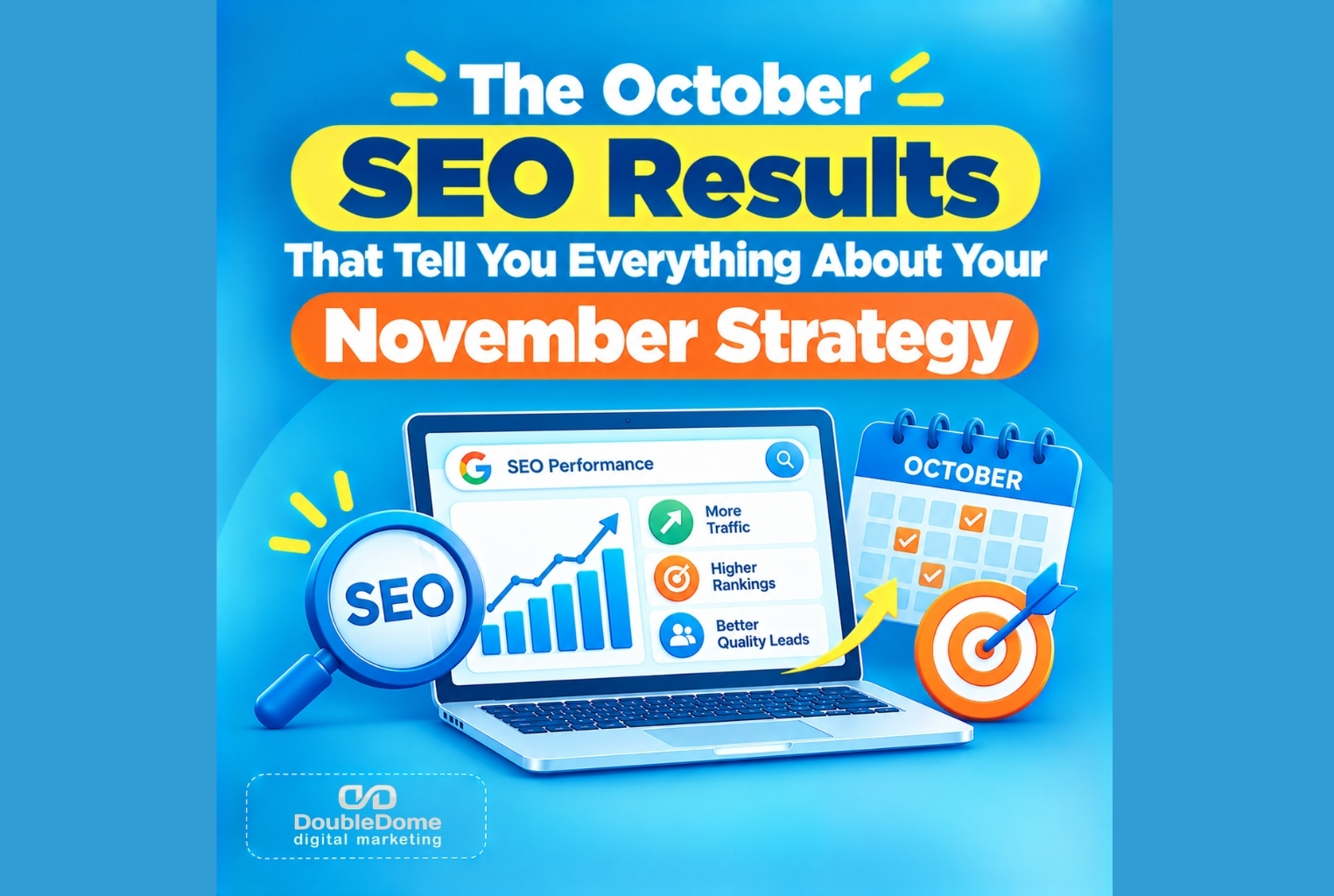
In 2026, privacy regulations, cookie deprecation, and signal loss make vanity metrics like total clicks or impressions increasingly unreliable indicators of health. What matters is verified pipeline impact. October’s SEO data contains the November content brief, the November optimization list, and the November competitive intelligence. We extract all three and act on them immediately. Deploying a structured October SEO Data-to-November framework allows your team to identify exact buyer intent shifts, fix conversion bottlenecks, and deliver clean, reliable data you can trust directly to leadership.
Attribution can sometimes feel like a marketing game of Clue. Everyone has a theory, nobody is completely sure, and somehow Google Ads is always in the room.
4 Strategic Inputs Hidden in October Search Performance
Analyzing October search console logs and CRM milestones reveals four critical inputs that dictate November pipeline performance:
1. Revenue-Generating Commercial Terms (Not Just Traffic Drivers)
Filter Google Search Console queries by cross-referencing landing page sessions with CRM sales milestones. Isolate the exact search terms that produced qualified discovery calls rather than top-of-funnel casual readers. These high-yield topics form the exact blueprint for your November content expansions.
2. High-Impression Conversion Gap Pages
Identify destination pages that earned thousands of impressions and solid click volume in October but yielded below-average form completions. These pages represent immediate conversion opportunities; updating their calls to action and intake forms before November traffic surges will lift lead volume without requiring additional traffic.
3. Emerging Late-Q4 Commercial Search Phrases
Search patterns shift dramatically as year-end budget deadlines approach. Audit queries that appeared in your Search Console performance reports during the last two weeks of October that had zero search volume in September (e.g., “deploy before year end”, “Q4 vendor transition guide”). Incorporate this exact phrasing into November headers and meta descriptions.
4. Competitor Authority Velocity
Examine which competitor pages advanced into positions 1 through 3 on shared commercial terms during October. When a competitor moves up late in the year, it signals where their team is investing authority and link equity, highlighting which internal pages require immediate structural reinforcement.
SEO is more like planting an orchard than buying groceries. The payoff can be substantial, but nobody gets apples tomorrow.
The Strategic Blueprint: Diagnostic Framework & November Actions
To see how turning October data into actionable steps protects your customer acquisition margins, examine the operational matrix below:
October-to-November Strategic Execution Matrix
| October Data Signal | Diagnostic Root Cause | Priority November Action Item |
| High Clicks / Zero Leads | Misaligned CTA or complex 8-field form. | Friction Reduction: deploy a 3-field form & clear response SLA. |
| Top-Producing Lead Queries | Strong commercial alignment with ICP. | Topic Clustering: publish 2 supporting case proof pieces. |
| New November Buyer Queries | Urgent year-end purchasing intent. | On-Page Refinement: embed phrases in H2 tags & JSON-LD schema. |
| Competitor Position Jump | Competitor added structured data/links. | Authority Push: add internal links from top 10 blog posts. |
Many websites collect leads the way a bucket collects water after someone forgot to put the bottom in.
Technical Foundations That Ensure Data You Can Trust
Transforming organic search data into qualified pipeline revenue requires backend technical systems that withstand modern privacy shifts and feed AI answer engines:
- Deploy Server-Side Offline Conversion Tracking (OCI): Connect web intake forms directly to backend CRM sales milestones using server-side offline conversion tracking (OCI). This bypasses browser tracking blocks, filters out bot click noise, and routes real conversion data back to Google Ads and analytics platforms to verify which keywords drive paying clients.
- Embed Machine-Readable Schema Code: Wrap high-converting service pages in valid JSON-LD schema markup. Structuring your backend data ensures AI search engines like ChatGPT and Google Gemini parse your exact capabilities accurately and cite your firm as a Preferred Answer.
- Streamline Intake Form Paths: Reduce conversion friction on landing pages by replacing multi-field forms with a clean 3-field layout (Name, Work Email, Project Scope) paired with an embedded 1-click calendar scheduling tool.
Outsourcing Technical Headaches to Focus on Strategy
Mining search query data, updating structured schema code, and configuring server-side conversion webhooks across dozens of pages requires continuous technical execution. For a busy marketing director, spending hours debugging tracking tags, running crawl audits, or managing site scripts is an inefficient use of strategic time. You need a partner who can handle the technical heavy lifting, act as an extra set of hands for your team, and deliver clear, transparent data without hiding behind proprietary jargon.
We act as the trusted technical backbone of your internal marketing team. We remove the headache of managing complex search tech, eliminate tracking gaps, and build automated acquisition systems that deliver high-quality leads. We handle the technical details so you can focus on leading big-picture strategy and securing wins with executive leadership.
Claiming Complete Ownership of Your November Pipeline
Capturing maximum revenue during the peak of the fourth quarter requires stepping away from backward-looking reports and using real-time search data as an operational compass. Committing your organization to a disciplined October SEO Data-to-November workflow guarantees that your team stops guessing what buyers want and starts building a predictable, revenue-focused acquisition engine.
If you are ready to turn your October performance data into an aggressive November execution plan, eliminate technical tracking headaches, and present a clear, data-backed strategy to leadership, let’s analyze your search data together. We will resolve your conversion gaps, execute high-priority technical fixes, and deliver clean data you can trust.
Book an SEO Strategy Session with DoubleDome today.
Frequently Asked Questions
What is an October SEO Data-to-November process and why is it essential?
An October SEO Data-to-November process is an operational framework that analyzes October’s organic search performance to shape November’s content creation, page optimizations, and competitor defenses. It is essential because October search logs contain real-world buyer search trends that maximize November pipeline capture.
How does server-side offline conversion tracking (OCI) support SEO data analysis?
Server-side OCI routes encrypted CRM sales milestones (such as qualified discovery calls or signed deals) directly back to campaign reporting dashboards. This bypasses browser tracking blocks, providing verified data to prove which organic search terms actually generate revenue.
How does structured schema markup help search pages appear in AI search overviews?
Wrapping landing pages in valid JSON-LD schema markup allows conversational AI search tools like ChatGPT and Google Gemini to parse your exact capabilities, service parameters, and value propositions in milliseconds, citing your firm as a preferred answer in user prompts.