

AI search engines like ChatGPT and Google Gemini consolidate recommendations around a small group of authoritative brands in each category. Executing a proactive AI First-Mover Strategy builds early machine-readable authority, structured data schemas, and high-information-gain assets that make your business the default recommendation—creating a competitive moat that rivals find nearly impossible to displace later.
For forward-thinking business leaders evaluating customer acquisition in 2026, the search landscape feels uncomfortably volatile. Traditional website traffic numbers are slumping because conversational interfaces answer prospective client prompts directly, providing tailored vendor recommendations before a user ever visits a search page.
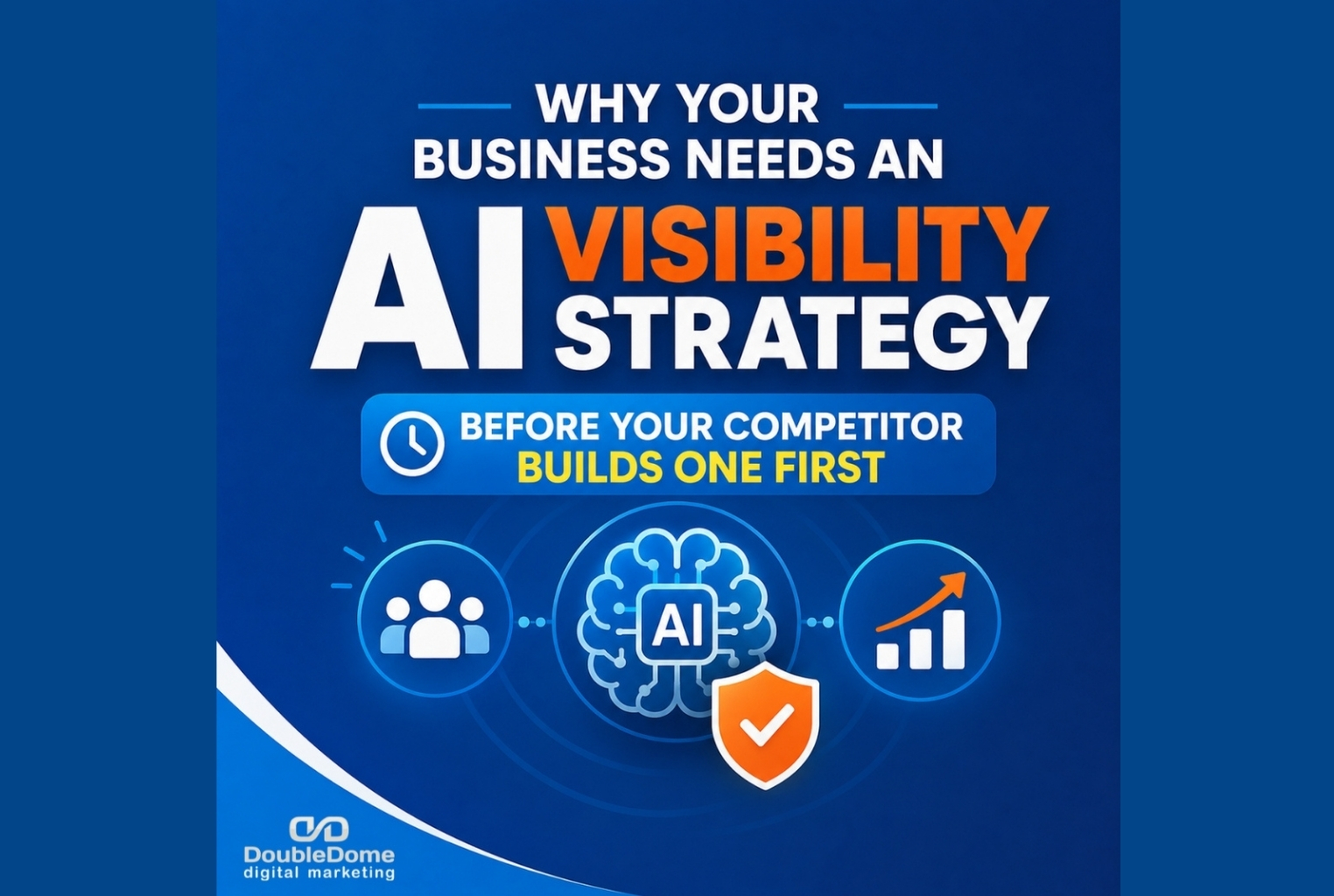
Many executives see this shift happening and plan to adapt “eventually.” But waiting to address conversational search is an incredibly expensive mistake.
Unlike traditional search engines, where search rankings shift daily across ten blue links, AI models consolidate their recommendations around a tight selection of highly cited, authoritative brands. Being early isn’t just an advantage—it is a permanent structural barrier for your competitors. Stop chasing clicks and start owning your market. In 2026, you don’t need more traffic—you need more customers. Implementing a decisive AI First-Mover Strategy guarantees that your company becomes the obvious choice when high-value clients ask for specialized services in your market.
SEO is more like planting an orchard than buying groceries. The payoff can be substantial, but nobody gets apples tomorrow.
The Winner-Take-Most Reality of AI Citations
When early digital marketers built domain authority twenty years ago, they established search positions that took latecomers years and millions of dollars to challenge. AI recommendation engines are compounding that exact dynamic at five times the speed.
Large language models (LLMs) operate on entity resolution and citation loops. When an AI tool like ChatGPT, Gemini, or Perplexity synthesizes a recommendation for enterprise services, it searches its knowledge graph for verified, consistent signals:
- Information Gain: Original, proprietary data sets, hard project metrics, and specialized category terminology that cannot be faked or duplicated.
- Structured Data Schemas: Clear, machine-readable JSON-LD code that allows algorithms to verify your capabilities in milliseconds.
- Citation Consistency: Uniform business data verified across major B2B platforms, news mentions, and industry publications.
Once an AI engine establishes that your brand is the definitive authority for a specific category or region, it reinforces that selection in future user prompts. Early brands become part of the model’s core recommendation baseline. A competitor trying to displace you six months from now isn’t just competing for a link—they are trying to rewrite an AI’s established trust patterns.
How First-Movers Lock Out Competitors: The Authority Comparison
To understand why delayed action exposes your sales pipeline to risk, look at how an early mover strategy compares to a reactive approach:
Market Positioning Matrix: Proactive vs. Reactive AI Strategy
Attribution can sometimes feel like a marketing game of Clue. Everyone has a theory, nobody is completely sure, and somehow Google Ads is always in the room.
Actionable Steps to Claim Your Category Seat Today
Building an early advantage does not require an overhaul of your business. It requires organizing your real-world expertise into a format that AI models favor:
1. Wrap Your Pages in Machine-Readable Schema
Deploy structured JSON-LD code (Organization, Service, FAQPage) across your core web properties. This provides AI crawlers with explicit, structured proof of what you do, who you serve, and where you operate.
2. Publish High “Information Gain” Assets
Replace generic, boilerplate marketing copy with deep case studies featuring real implementation timelines, exact budget figures, and hard ROI metrics. AI engines prioritize original data over rehashed industry text.
3. Establish Server-Side Conversion Tracking
Browser tracking cookies are easily blocked, leaving your ad accounts blind to bot clicks. Implementing server-side offline conversion tracking (OCI) connects your digital assets directly to your CRM sales milestones, providing a clear reporting view: “I spent Y.”
Many websites collect leads the way a bucket collects water after someone forgot to put the bottom in.
Outsourcing Technical Overhead to Scale Your Enterprise
Setting up a complete AI optimization engine involves continuous technical management—from managing server logs to auditing machine-readable data structures. For an active CEO, playing data detective or manually testing AI search prompts is an inefficient use of strategic time. You have zero patience for agency fluff about “algorithm updates.” You want a simple, transparent dashboard built around financial realities.
The AI visibility window is open right now — but it’s closing as more businesses invest. We help you move first, build fast, and make the advantage hard to take away. We serve as the trusted technical backbone of your internal leadership team, building the automated system that makes you the obvious choice for your leads, no matter how search technology shifts.
Securing Your Permanent Market Advantage
The digital channels where your prospective clients locate service providers will continue to change, but the core math of enterprise profitability remains constant: early authority drives sustainable revenue. Executing a systematic AI First-Mover Strategy ensures that your business stops renting temporary traffic loops and starts building a lasting corporate asset.
If you are ready to eliminate bad leads, completely stop wasted ad spend, and review an honest performance dashboard that directly connects your digital channels to net profit, let’s analyze your current footprint together. We will locate your data gaps, repair your tracking vulnerabilities, and build a growth engine focused entirely on revenue generation.
Book an AI Optimization Strategy Session with DoubleDome today.
Frequently Asked Questions
What is an AI First-Mover Strategy and why is it time-sensitive?
An AI First-Mover Strategy is the proactive process of building machine-readable authority signals, structured data schemas, and high-information-gain content so AI engines cite your brand first, creating a market advantage that competitors struggle to overturn.
How do ChatGPT and Google Gemini select which businesses to recommend?
AI models analyze structured schema markup, third-party citation consistency, verified client review data, and original information gain to factually validate a brand’s authority before citing it in user answers.
Can I track whether AI search recommendations are generating actual revenue?
Yes, by deploying secure server-side offline conversion tracking (OCI) that routes encrypted CRM milestone data directly back to your reporting interface, bypassing browser tracking blocks entirely.