
By admin
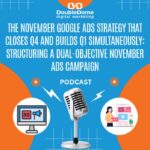

In this podcast episode, we explore how a dual-objective november ads campaign helps businesses generate immediate year-end revenue while building a qualified pipeline for the next quarter. By using audience behavior to prioritize high-intent prospects and nurture early-stage researchers, businesses can pursue both goals without doubling their Google Ads budget.
Key Takeaways
Segment Audiences by Buying Intent
Divide prospects into two intent tiers within existing campaigns. High-intent visitors who viewed pricing pages, compared services, or abandoned booking attempts belong in the Q4 closing track. Early-stage researchers exploring informational content belong in the Q1 pipeline track.
Match Ad Messaging to Buyer Timing
Use time-sensitive offers and implementation-focused messaging to reach prospects ready to make decisions before year-end. For early-stage audiences, promote forward-looking resources such as annual marketing plans and acquisition roadmaps.
Adjust Bids Based on Audience Behavior
Apply stronger bid adjustments to high-intent audiences while maintaining conservative bids for early-stage researchers. This helps allocate spending according to the likelihood and timing of conversion without splitting campaign budgets unnecessarily.
Maintain Reliable Conversion Tracking
Use server-side offline conversion tracking (OCI) to send CRM milestones, such as qualified discovery calls and signed deals, back to Google Ads. This helps bidding algorithms optimize toward verified business outcomes rather than superficial clicks or form submissions.
Improve Landing Pages and AI Search Visibility
Implement relevant JSON-LD schema markup to help AI search platforms understand your business and services. Keep landing page forms simple and include convenient calendar scheduling to reduce conversion friction.
Final Thoughts
Businesses don’t have to choose between closing Q4 revenue and preparing for Q1 growth. A unified campaign structure that responds to buyer intent can support both objectives while making more efficient use of existing advertising budgets. The key is matching the right message and bid strategy to each prospect’s stage in the buying journey.
Ready to Improve Your Google Ads Strategy?
Build a paid search strategy that captures high-intent opportunities today while developing a stronger pipeline for the next quarter. Explore Google Ads Management to improve campaign structure, audience targeting, and conversion tracking.